A Well-Lived Home: Exploring Kenilworth’s Lost and Preserved Architecture
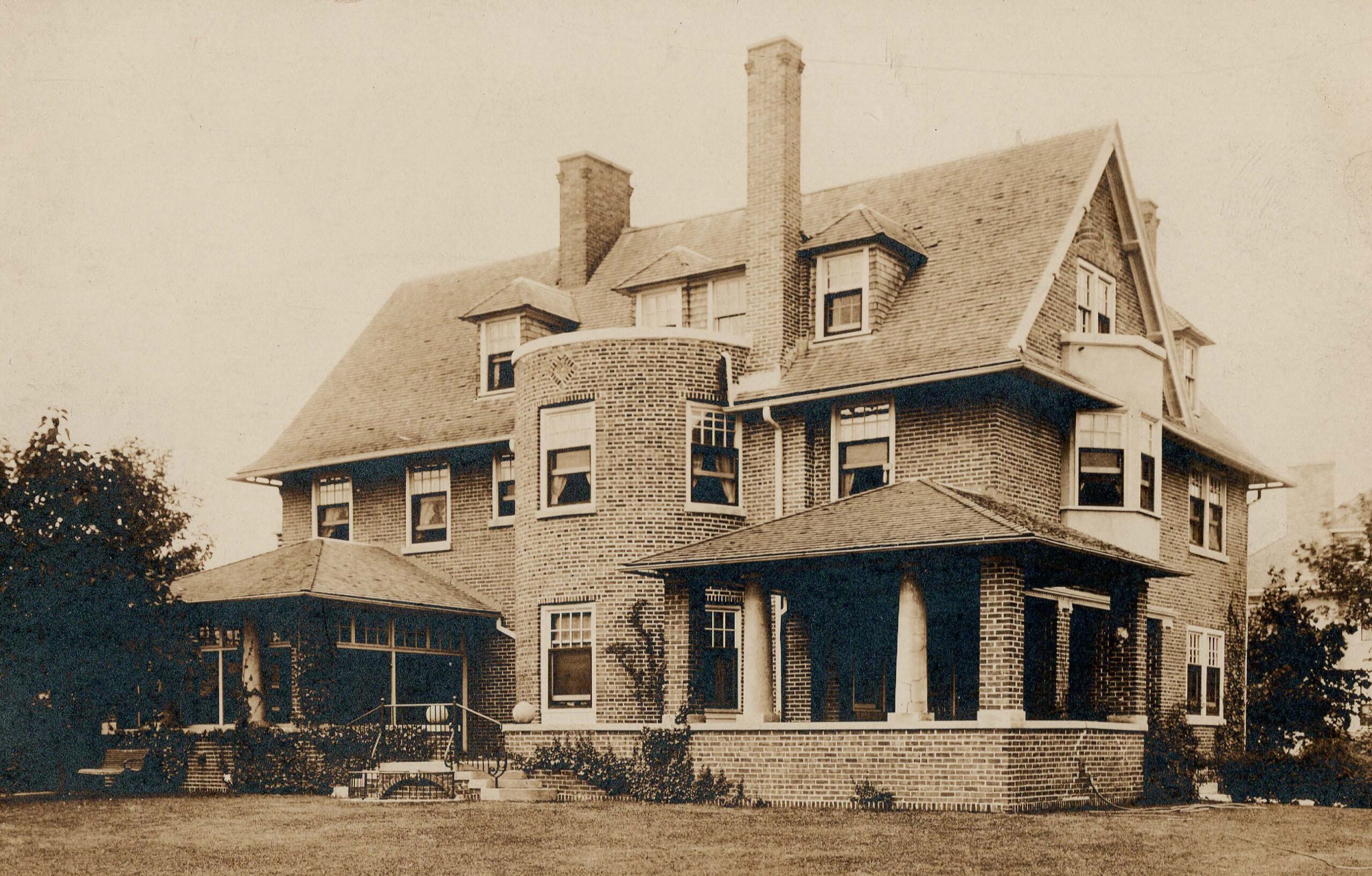
Opens: Sunday, May 4
The exhibit will be on display through March 2026.
The exhibit will be on display through March 2026.

Stuart Memorial Building, c. 1974, KHS
Have a new question? Email us or stop by.
What are your hours?
What is the cost of admission?
Where can I park?
Where is the bathroom?
Is the museum accessible to guests with disabilities?
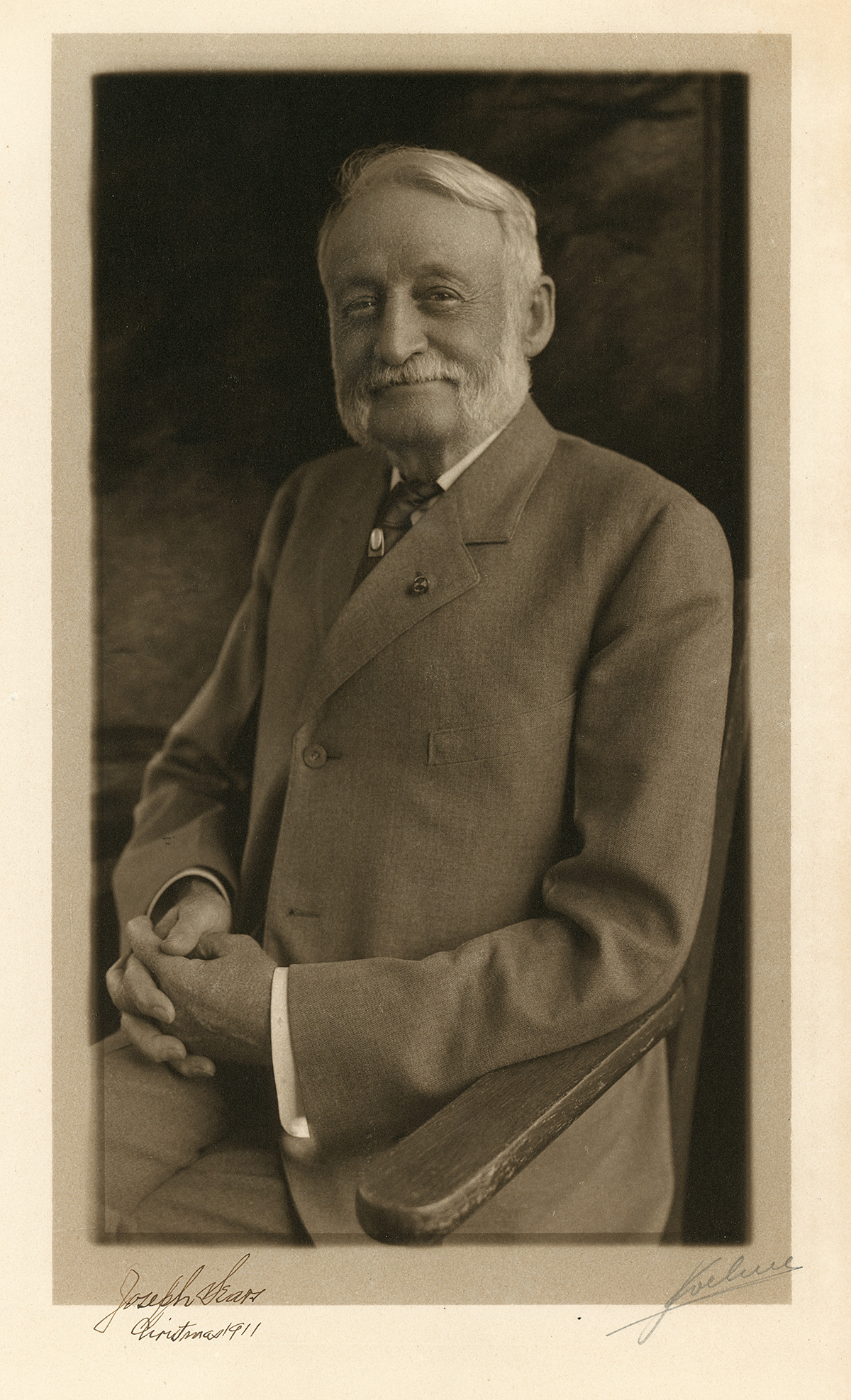
Who is Joseph Sears?
When was Kenilworth founded?
When was Joseph Sears School founded?
Our mission at the Kenilworth Historical Society is to preserve, interpret and celebrate the unique history, architecture and traditions of the village and foster an appreciation of Kenilworth’s heritage through museum exhibits, curatorial work, social gatherings, educational programs and the coordination of architectural tours.
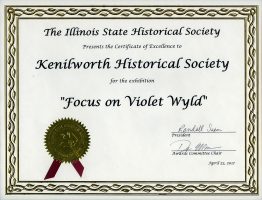
Awarded by the Illinois State Historical Society for our exhibit focusing on key resident and niece of George Maher, Violet Wyld.
Awarded by the Illinois Association of Museums for our interior renovation work which improved our capabilities to safeguard our collections.
Awarded by the Illinois Association of Museums for the production of our historical documentary, directed by John Newcombe.
Awarded by the Illinois State Historical Society for our educational program with the Joseph Sears School.
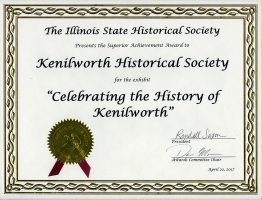
Awarded by the Illinois State Historical Society for our exhibit Celebrating the History of Kenilworth.
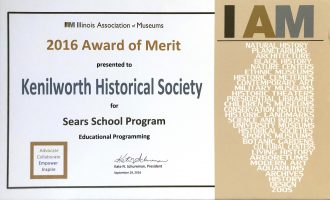
Awarded by the Illinois Association of Museums for our educational program with the Joseph Sears School.
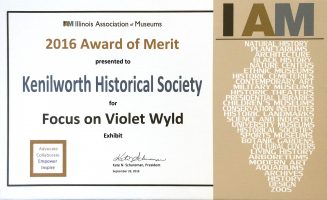
Awarded by the Illinois Association of Museums for our exhibit focusing on key resident and niece of George Maher, Violet Wyld.
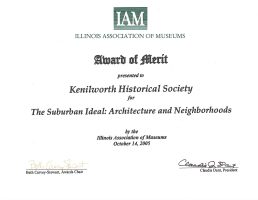
Awarded by the Illinois Association of Museums for our exhibit titled The Suburban Ideal: Architecture and Neighborhoods.
Awarded by the Illinois Association of Museums for our exhibit View from the Path: Jens Jensen in Kenilworth.
Awarded by the Illinois Association of Museums for our educational program with the Joseph Sears School.
Awarded by the Illinois State Historical Society for our exhibit Celebrating the Century: The Joseph Sears School Centennial Exhibition.
Board of Directors
*Past Presidents
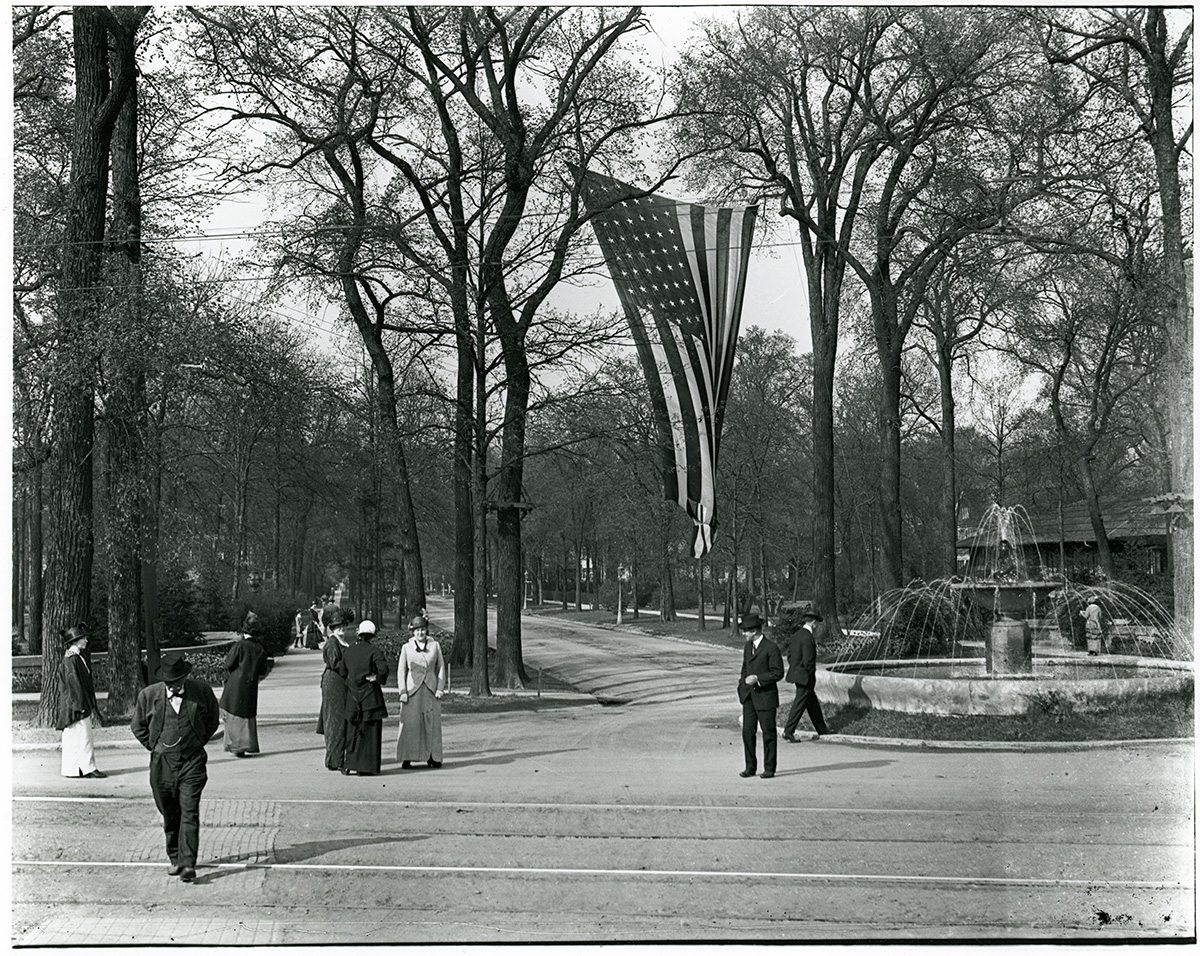
Kenilworth Fountain, c. 1910, KHS
Our main entrance is along Kenilworth Avenue, but handicap accessibility is available via the Village of Kenilworth entrance on Richmond Road. You can visit us from 9:00-5:00PM on Tuesdays and Thursdays.
Explore our online News and Exhibits & Collections.
Our archives and exhibit space is located in the Stuart Memorial Building, designed by architect Philip Maher and completed on March 23, 1972. If KHS could build a permanent residence the were promised to receive a large donation from the estate of Harold Leonard Stuart . President at the time Dr. Schildberg rushed to accumulate funds and plans for the new building. With the help from the Village offices and Park District, the Historical Society acquired the whole block from Cumnor, Kenilworth, and Richmond and soon after a grant from the bank for $550,000 to begin construction.
The Kenilworth Historical Society is across the street from the Kenilworth Metra station on the Union Pacific North (UP-N) to Kenosha line.
The station was designed by architect Franklin Burnham in 1891.
Visiting the Museum
Accessible parking is available adjacent to our main entrance along 419 Richmond Road with access to a ramp and button operated doors. For further assistance with navigating the building give us a call ahead of time.
Restrooms
Restrooms are available on the west side of the building complete with wide stalls and grab bars.
Service Animals
Service Animals are welcome to the museum in accordance to the ADA guidelines, unless otherwise permitted.
First Aid
We have first aid kits available on site if needed. We share the building with the Police Department who are all CPR certified.
Exhibit
All of our exhibits are labeled with larger font sizes and ADA compliant.
The company undertook all marketing activities, publicizing the community’s many attractive features through brochures, maps, and newspaper ads, as well as direct personal sales. Prospects were provided transportation from the city and greeted with a reception. Visitors were also offered overnight accommodations. In 1891, Sears invited about 20 of his personal friends, prominent bankers and Chicago businessmen to a picnic luncheon on Kenilworth’s lake shore. Lots were offered at $60 a foot; significantly above the $15 a foot for similarly located property nearby. Some laughed, but the property did sell within 12 months.
Joseph Sears possessed definite ideas about how a village should be planned. Streets were designed to maximize the availability of sunlight in each home, utilities were placed underground, no alleys or fences were permitted, construction standards were high, and there were large lots and paved streets. To maintain the country atmosphere, the plan required large lots and setbacks, tree plantings along roadways, and generous park lands. Mr. Sears donated much of his own property to achieve this goal. This planned community attracted widespread attention and was visited by many noted architects attending the 1893 Columbian Exposition in Chicago. Noted architect Franklin Burnham joined The Kenilworth Company and designed Kenilworth Station and Kenilworth Union Church. Burnham also designed several homes for company members to display for potential residents.
By February 4, 1896, the village reached the required 300 residents and was incorporated, with an elected board assuming municipal functions from Joseph Sears. The Kenilworth Company continued their sales activities until 1904, at which time Sears acquired the existing stock and became the sole owner of the remaining property. From the original purchase developed by Joseph Sears, Kenilworth expanded to its current size of 0.6 of a square mile through a series of annexations. As of the 2010 census, Kenilworth had a population of 2,513.